YiXuan Zhang- Retired Body With Passion Media Heart

“I love what I do, never regret about it”—YiXuan Zhang

 

 I am honored to feature my stepdad in my blog post this week. YiXuan Zhang is a 65-year-old man with two associate degrees from college. He was the channel producer in my hometown, Chengde, China. He made an advertisement video for a popular Chinese white liquor brand- Wuliangye. I also produced multiple videos about the local resort and tourist spots. Even though he has moved to the U.S. with my mother, he still uses his photography skills to film TikTok videos and record their daily life in the country.


(The following questions and answers were based on Mandarin; I apologize for the inconvenience if there are translation errors.)


Q: In your opinion, what is the most important key point when filming the video

Zhang: When I was working for the company, I did not think much about it when I filmed these videos. What I did was follow the instructions from the company. So I will say listen to your customers’ requests, what they want to film and what they want to present about their products, and figure out how to present the effect that the public likes.


Q: Why do you choose to be a media producer

Z: Originally, I was not a media producer; I was a teacher who taught in middle and high school. Since one of my associate’s degrees is from the teaching school. I like to study a lot, even now I am studying at Lane Community College to learn English. I was a teacher for a long time in my 30s. I like to record the daily things about my life. But the main reason I switched to Media Factory is based on the government, during that time, making videos could bring me immense profits. I still love this job since it helps me unlock new life skills and areas.


Q: What is your plan for the future? Do you still want to work in the media industry if you can?

Z: Maybe, I am pretty old right now, but it will not stop me from filming new videos. Before moving to the U.S., I knew how to produce high-quality short videos and post them on my TikTok channel. But right now I have to learn English well first, in the future I might look for a job related to that, such as going to the University of Oregon to manage the equipment for SOJC, or getting into the new media industry and producing videos for them. Who knows, let’s see!

 

YangLan: The Intelligence of Chinese PR

When we mention Chinese public relations, many people will first think about the brand, a popular streamer, or a celebrity who does product advertisements. But there is an actual person who is a master in public relations. If you want to know the PR with strategic, ethical, or global, you must know Yang Lan.

Yang LAN is not just a famous TV host, but a media entrepreneur. She is more like a classic public relations model. She used the story to promote Chinese culture to Western countries. She promotes diplomacy with other countries, as well as the bridges of relationships with other countries. She is one of he most influential women in China. Also, as the CEO of the media company, she made the show named “Yang LAN One-on-One” and hosted and directed it by herself. She used to interview famous people like Bill Gates, Kobe Bryant, and famous influencers worldwide.

But what is her PR ability, then? The first one is her global view. Not just her own channel, she is the 2008 Beijing Olympic Chinese ambassador. She used her confident speech to win the trust of the Olympic Union, which is one of the most successful PR accomplishments both for her and China.

Second, she uses the media as a PR tool, compared to traditional PR, like background control of content. She uses the media as a campaign platform. Every time she interviews someone on her channel, she is not just sharing valuable information; she is also trying to push the cultural exchange between those countries. She used these strategies to improve her relationship with the Chinese media.


The third reason I believe is herself. Because of the work she did for China and for herself, she built up her vibes as intelligent, rational, and honest. She built a lot of trust with famous people and the public. She used her honest opinion to win the trust of her viewers.

In the end, I recommend you investigate more about her if you are trying to build the same brand or company as hers. She used her experience to remind us that real PR is based on trust, communication, and values.

Wikipedia information about her: https://zh.wikipedia.org/zh-hans/杨澜

The Underestimated Content Creators Are Reshaping Chinese Digital Campaign.

In today’s Chinese social media platforms, silent content renovation is happening. Not by the top movie stars or celebrities, and also not by the popular brands in China. But the content creators who always get ignored by traditional public relations. This slight change in the digital campaign to the public.


Some of those creators live in small cities rather than big cities like Canton, Beijing, or Shanghai. Those creators may be workers who just got into the new company; they do this to build their brand for organizations. It could be the factor of the worker or the retired grandparents. They are not using filters like the movie, but not the scripts. They film down their life itself. It might be the angles of themselves or the people around them. They might only have a few thousand followers or ten to a hundred thousand followers. But those people will stick with them and interact with the creators.


For example, there might be a 65-year-old grandpa trying the new fashion things among young people. Or there might be a construction worker doing a vlog about his daily work life. Or even the rural area creator talking about how to make rural area food.

All those creators show trust, relatability, and mutual connection to the public. So, after they receive the trust from the netizens, they will start streaming and selling their business products. This is why most people like to shop on those video streaming platforms. Instead of celebrities, they will trust more those creators who are on the same level as the public. They are willing to listen to someone who is “the same as me” kind of person talk.


So, more and more brand companies are realizing that instead of spending vast amounts of money on a popular trend star, they will invest more and choose the “chill” with hella speaking power content creators.

Mostly, those creators like to participate in product tests. For example, before they sell food, they eat it first and test it with a professional team. They also receive feedback and give it to the netizens who support them. So this is the type of communication of “users are also collaboration partners” types of business.

Content creators are not “bench players” but the new stars of social communication.


The Hands Behind The Curtain, How To Make Brand Popular

If you want to make a successful brand campaign, again, not celebrities, but the content creators on the social media platforms.

China’s most innovative public relations team is not chasing the top popular trend. They will try to create a new trend and expand it with the creators. It could be the book descriptor from Douyin or the computer expert creator on Bilibili. All of those people can make one thing happen, which is a mutual connection with the public. Those creators are not famous or high-level like other movie stars; they just share their daily life interests with the public.

This generation of PR is more based on socializing with the public rather than budget competition; it is more about who is more trustworthy.

So, for the people who read this far, whether you are the leader of the student organization or a teacher in the school, try to use similar strategies to the place where you work. If you want the public to stand with you, you have to listen to the users and find the real conversations. Then, your organization will definitely become the “top trend” in the area.


New Influencer In China? But Not Celebrities

Not movie stars or celebrities. The next steps of Chinese PR are socializing and strategic. Compared to old PR rules, China is using another way to rewrite them.

Chinese PR is not just changing but reshaping. In the past, like other countries, China relied on celebrities or movie stars to shoot traditional media. But this is not working anymore. The one who is popular right now is more focused on the general public, not on TV, but on the Red Note and Douyin video streaming app. Those platforms totally change the definition of the term “public relations.”

The core of those renovations is based on the “new influencer”—the content creator. Also, with their background in digital communication, they are not changing the popular trend; they are making the trend for people.

From digital campaigns to real life, from platform topics to popular trends, the PR strategy in China is not just controlling the topic but also putting on a big show with the team. Want to more, read next blog post to find out.

How CFPA Uses Digital Network To Built Network

Have you ever imagined what public relations for non-profit organizations in China looks like? Do they use websites, TikTok, or other social media platforms to get attention? China Foundation for Poverty Alleviation (CFPA) is a non-profit organization helping poor children in China to support their education and quality of life. But right now, they are also expanding outside of China. How did they expand internationally? Here is why.

Like other organizations, they have their own TikTok account in China. Their videos include the people they are trying to help. The style consists of a vlog, in which they use the vlog style to talk about what poor people’s lives look like. It also includes a short introduction video about what services they offer. The thank-you post for the sponsors or donors gets the attention of netizens and affects their popularity.

Besides that, they also have an official public account on WeChat (a blog account that the organization uses to promote its services and products; some companies even offer coupons and discount events on public accounts). They also set up certain posts and services on WeChat to make it easier for people to see what it does. In China, everyone needs a WeChat account to communicate and buy stuff with WeChat Pay. This is one of the most innovative strategies they use to promote.

They also interact with Gen Z on media platforms such as Bilibili (Chinese YouTube) and Rednote, and their PR team uses popular emojis and special clips on the account. Those two platforms are primarily at the same popularity level as Douyin( Chinese TikTok), which many Gen Z use. On the other hand, like YouTube, Bilibili allows users to donate money to the creators. This way, CFPA with their video account will definitely get extra donations from the platforms and increase the chance to meet new sponsors.

It shows the leading digital market for non-profit organizations through strategy, social media PR, and CFPA. This is what makes them stand out compared to other non-profit organizations, not just as charities but also as models for spreading love spirit on the internet.


Douyin page: 1- 长按复制此条消息,打开抖音搜索,查看TA的更多作品。 https://v.douyin.com/sFHznQjhnO0/ 0@5.com :2pm

Introduction of CFPA: https://en.wikipedia.org/wiki/China_Foundation_for_Poverty_Alleviation?utm_source=chatgpt.com

Connecting The Digital Divide: How NGO2.0 Helped Charity Organizations With Social Media

In the fast development of public relations and social media platforms, many charity organizations are constantly forced to address issues about information sending and digital sharing limitations compared to normal organizations. Most nonprofit organizations do not have “fun” job opportunities compared to others. They struggle with low digital communication, such as no social media platforms but only official websites. To stop the issue from happening, NGO2.0 has come to the front, and its job is specifically for nonprofit organizations in China.

https://zh.wikipedia.org/wiki/NGO_2.0


In the last decades, non-profit organizations in China have kept growing, mainly in education, recycling, and general social services. Many non-profit organizations living in small cities do not have digital support compared to organizations in rich, developed cities like Beijing or Shanghai. NGO2.0 is a program that helps with this issue. It is a program made by collaboration between QingHua University and MIT. The program started in 2009 and aims to help small non-profit organizations build media transmission and expand their social impact.


NGO2.0 set up multiple programs for those organizations:

·      Web 2.0 training workshop: social media campaign and digital media training. Teaching workers in the organization how to use WeChat and Weibo to interact with the public netizens

·      Open map platforms: through multiple data connections, the NGO will share the information of the organization and those seeking support. Help those organizations choose a target more convenient and quickly

By those two major programs, NGO2.0 boosts the online affection for most of the non-profit organizations, as well as the chances for outside collaboration

Real case: an organization from Sichuan only built the trees planning inside the province. But because of the NGO, they started posting blog posts on their WeChat public account to show what they do. After the blog post, it grabbed the public’s attention. It also attracted more funding and support from volunteers. Now, their program is expanding to multiple provinces in China.

Because the public sees NGO2.0, more and more non-profit organizations are not just training digital skills but also transmitting trust and bringing love and power together. They created those organizations to achieve the goal of being seen by the public.

Eat Better, Live Better- Meituan

This week, I will talk about the platform I use most when I order food delivery. Meituan. I am telling you, it is not just a simple food delivery app. It is also the daily choice for millions of people in China. Like Uber Eats and DoorDash, I can make a few taps, and then my food will be delivered to the front of my door. However, there are other delivery platforms in China; why can Meituan stand out and become the number 1 choice for most people? That is their service and public relations strategy.


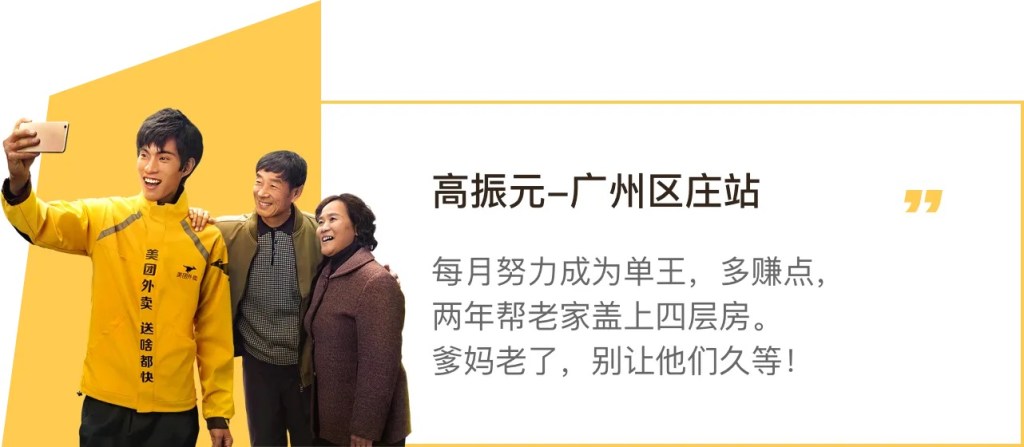
One of their best strategies is using persona for their hire poster. They interviewed the deliverers who had already worked for them and asked their honest opinions about what work for Meituan looked like. Such as how they are happy switching from their old job to this new one, or how they work hard and make their parents proud even afford a new house or car. If this is a real case for the workers, more people will be willing to work for the organization. Plus, because the local government is willing to give more job opportunities to low-income families who live in rural areas, the number of people who sign up for delivery will keep increasing. Plus, Meituan will provide anything for new deliveries, such as helmets, scooters, uniforms, insurance, etc. Everything will be prepared for them. For people far away from their homes and coming to work in the big city, there will be certain work dorms and houses for workers to live and stay in.

https://peisong.meituan.com/rider


Another side will be their service, depending on the situation. What Meituan does is keep improving the things they deliver. For example, during the last World Cup, many working-class citizens did not have time to shop for food and house decorations. The Meituan PR CEO, HuHa, mentioned that based on their data research, many people are willing to buy things online and have them delivered to the house in seconds. Based on that, Meituan gave multiple coupons and discounts to customers who ordered food and goods from supermarkets at different events. For example, on Mother’s Day, you can deliver flowers to your mom, etc.


Meituan proved to us that good PR strategies come from delivering platforms. They do not just deliver food; they deliver support, connection, and love.


Article link from CEO interview: https://www.campaignchina.com/article/美团广告出圈背后:社交媒体时代的品牌转播共情/482669

Food With Love Deliver Platform- What MeiTuan Did For The Society

When I think about organizations close to public and social responsibility, the first one that comes to mind is Meituan. It is one of the most popular food delivery apps in China. Most of the functions are similar to Uber Eats and DoorDash. You order food and wait for them to deliver it. However, the critical thing about MeiTuan is that it does not just provide food delivery services. It has also made many contributions to Chinese society and the poor class.


When I searched for Meituan’s contribution, I found a “MeiTuan 2023 Organization Social Responsibility Report” report. Not just the report’s name but the first page with a quote: “We help people eat better, live better.” The content report shows the data about there were 390 thousand people who worked in the company as delivered by the country rural area support plan, which is the plan of the local Chinese city government to support the poor rural area to make the farmers have a better life, including sending student volunteers to the area, funding support, provide job opportunity, etc. So, to provide more job opportunities for low-income rural area residents, Meituan will teach them to become a deliverer and make money on their platform. And Meituan will provide helmets, bikes, insurance, devices, and uniforms. So, anyone who signed up for delivery does not have to pay anything.

https://s3plus.meituan.net/v1/mss_f5ecef526b384cbaa1117230d53b4bd6/smart/美团2023企业社会责任报告_ava69p.pdf


The second one they did that I never heard of before was the “Kangaroo Baby charity plan.” It is the plan that collab with the deliver who worked in multiple delivery platforms. The major content of this plan is to support the education of children of those given so far by the end of 2023. More than 818 riders’ children received funding support.  Besides that, they also built the “Kangaroo Baby House,” a charity branch that collects funding and gives support to delivery parents who need help with their children.


Based on those two plans, I believe Meituan is a good company that represents good social responsibility for Chinese citizens. They are showing that their mission statement is not just delivering but also giving love to the customers and the people who need them. This makes Meituan more than a delivery company; it is a model of how a business can give affection to the people behind the team.

The report link: https://s3plus.meituan.net/v1/mss_f5ecef526b384cbaa1117230d53b4bd6/smart/美团2023企业社会责任报告_ava69p.pdf

Coffee With Fruits And Alcohol- RuiXin

When I thought about the Infographic about Chinese business organizations, I could not find a specific one since there are too many. But if you let me pick one and discuss it, I will say my favorite Café, Lucking Coffee, is a good example.

When I clicked on their English website, I saw the quote: “ Our vision is to build a world-class coffee brand and become part of everyone’s daily life.” He is not lying. Lucking Coffee has already built connections with multiple coffee masters around the world. One of the baristas, Agnieszka Rojewska, is the first female champion of the 2018 World Barista Championship.


Like Starbucks, when I walked into the store, the infographic design promoted the comments from those coffee masters. Also, there was a small introduction about the company’s background. However, the most crucial point about Lucking Coffee is not just the connection with the masters and their stories. It is about the advertisement.


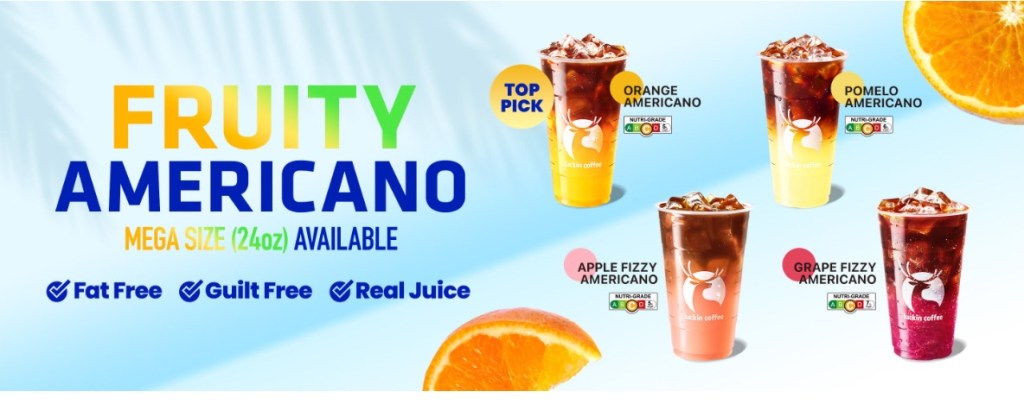
When I compared Starbucks and Lucking Coffee’s menu infographics, I saw that Starbucks always used a green background for their menu and most of their campaigns. But Lucking’s website is more diverse. They use different backgrounds for specific types of drinks. For example, one of their types of drink is juice with coffee. So, they will use fruits as a background with a colorful design to make it fresh.

https://www.luckincoffee.com/menu/fruity-americano


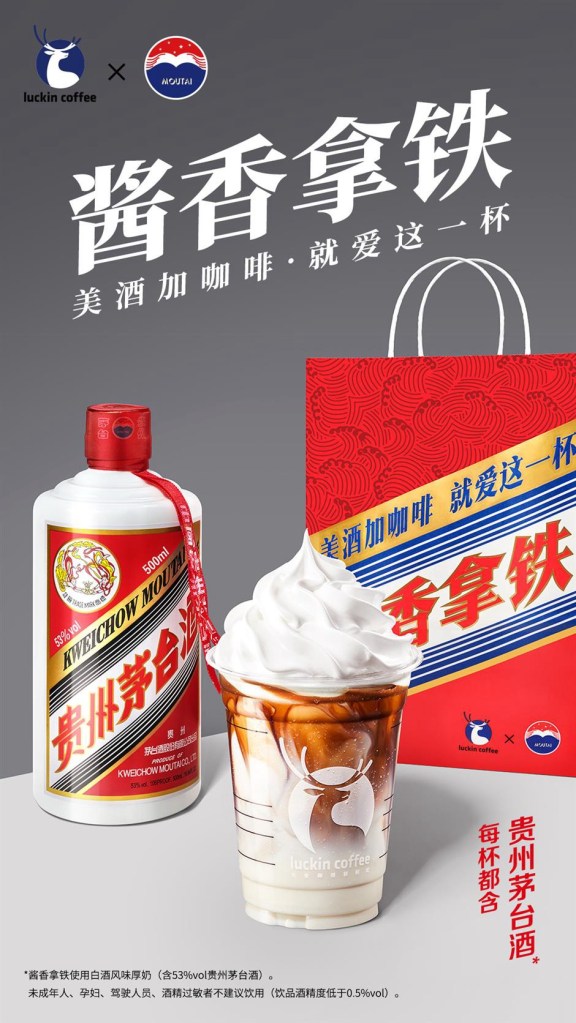
On the other hand, their most popular drink was a MaoTai latte. Which is also one of the most interesting drinks I’ve ever seen. Maotai is one of the luxury white liquor brands in China. So they put MaoTai liquor flavor cream and latte mix together. What they did for the infographic poster for the MaoTai latte was the same as a fruity americano. They put the Maotai bottle decoration on the poster with the coffee. The interesting combo with the graph made many people try the drink. (If you visit their store and try the drink, don’t drive after you have finished it; you might get in trouble).

https://www.shine.cn/biz/economy/2309047466/

In the end, Lucking Coffee really likes using visual diversity for their data visualization work instead of writing long descriptions of the products. Their strategy not only improves customers’ effects but also strengthens their branding and stays longer inside customers’ heads.